



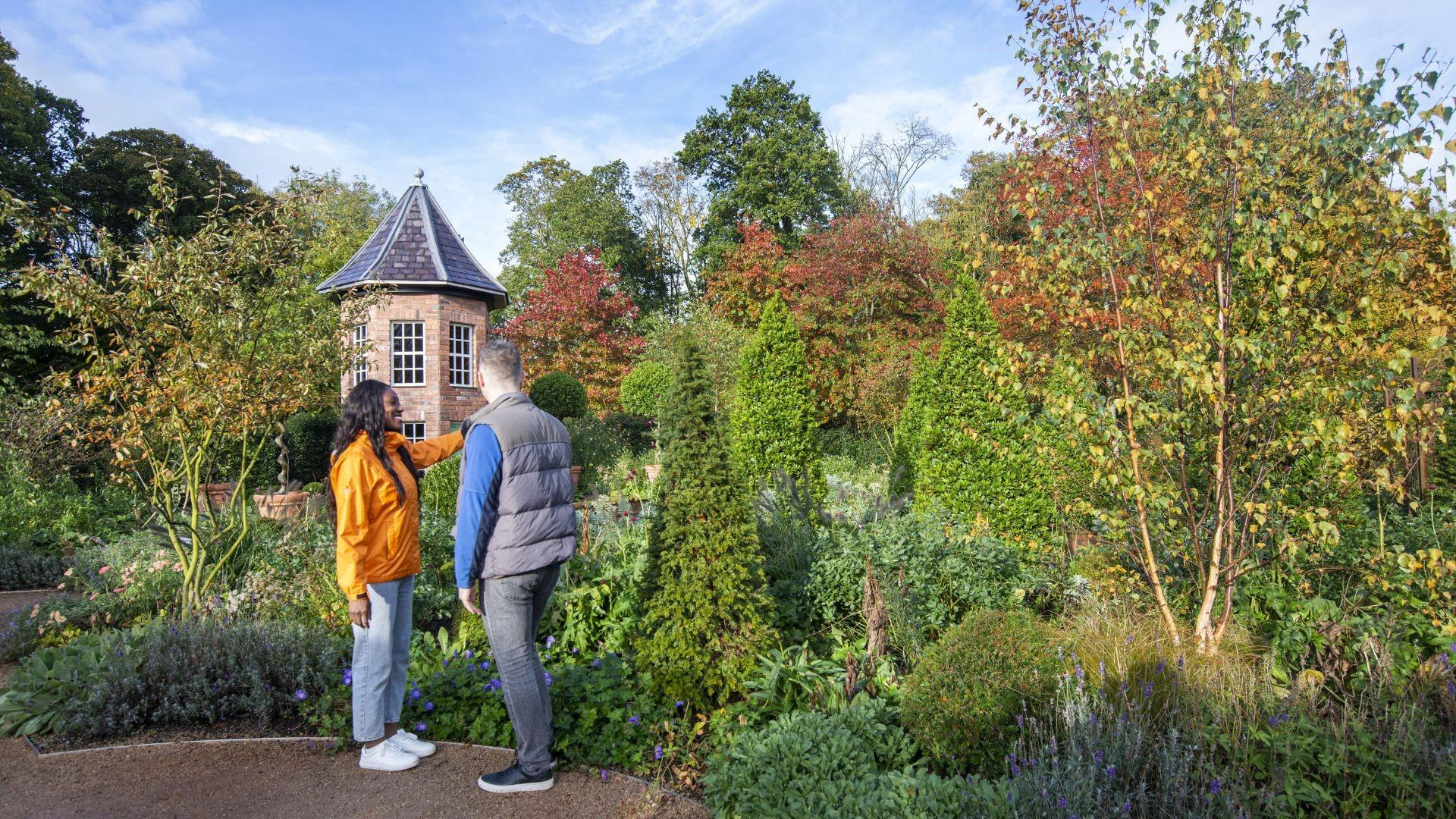
We are delighted to welcome you to Northern Ireland. Take a small step and start planning your next giant adventure today.
We’ll provide trip inspiration and local tips on where’s good to go. You’re about to discover a true hidden gem which tucks in more amazing, truly memorable experiences than you could ever imagine. And they’re all just a stone’s throw away from each other. With your every step, you’ll uncover something surprising and new, filling your trip with delightful holiday memories.
We have wild, rugged coastlines that demand awe and adventure. Gently unfolding rural landscapes filled with trails, local stories and nature. Buzzing cityscapes and towns, flowing with life and urban exploration. Cafes, hotels, guesthouses, campsites, attractions and experiences that wrap you in a warm, giant welcome. You might be planning just a short getaway, but we hope you’ll be dreaming of coming back before you’ve even left.
Discover it all in Northern Ireland
The adventure never stops, regardless of the weather. Even just down the road, it can feel like a totally different season. Plan for long sunny days spent on the magnificent mile-long beaches of Portstewart, Portrush and Newcastle, or hours of fascination exploring our industrial heritage while waiting for rainclouds to race away. You might say it’s the best of all worlds. Here we just say it’s another great day in Northern Ireland.
Giant Adventures, Giant Feasts, and Giant Welcomes
As the official tourism body of Northern Ireland, we’re not just here to inspire you. We’re here to help you make the most out of every memorable moment on your trip.
Have a look around here and see what captures your imagination. The sights, places and things you most want to see and do. Where you’d most like to stay, from the splendid luxury of our very best boutique hotels to a rambling camper van or family campsite with outrageous views. Along the way, you might stumble across something unexpected and exciting that you just have to try. We’ve plenty of inspiration and information for that too.
Explore, plan, and more
We’ve all got a different sense of adventure. Whatever you’re looking for in a break, we’ll help guide you with the right information and inspiration. From rugged backpackers and scratch golfers, to bookworms and fun-packed family holiday lovers, and everything in between.
Beyond pure inspiration, you’ll also find practical advice, insider tips, guides, maps, and entertaining and informative blog posts for even more of a flavour of what makes this unique place tick. So, let's get started... we’re ready when you are!