



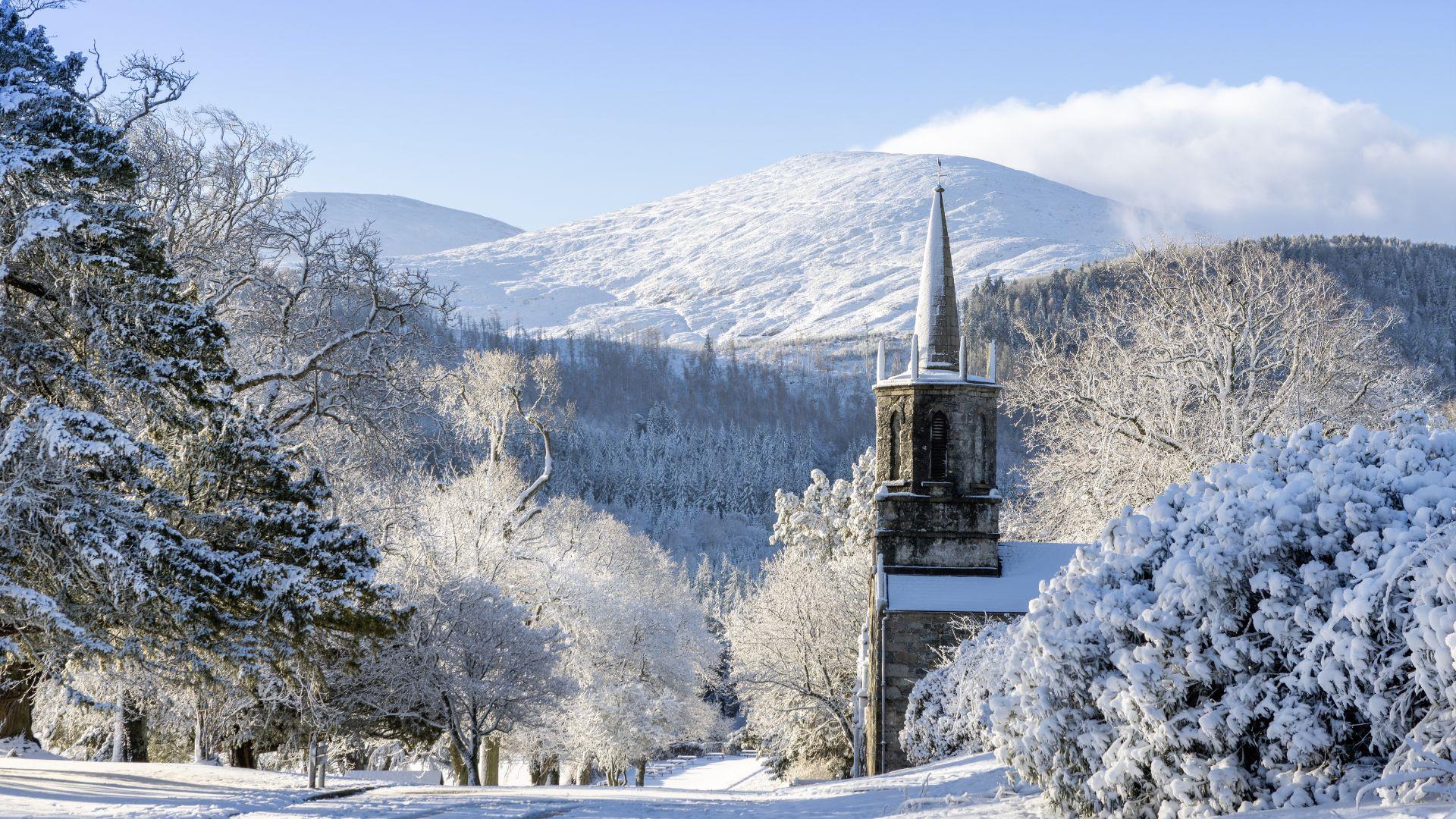
Northern Ireland is just a small step away, and it’s full of adventures waiting to be discovered. Whether you’re planning a short break, a family holiday, or a spontaneous day trip, you’ll find world-class attractions, hidden gems, and warm welcomes around every corner. From city buzz to coastal escapes and countryside retreats, it’s all within easy reach.
Best Overnight Stays and Day Trips in Northern Ireland
Every trip here is different. Spend the morning exploring Belfast’s Titanic Quarter or the historic walls of Derry~Londonderry, then head to the golden sands of Portstewart Strand or Newcastle beach for sea air and views that stretch for miles. Hike in the Mourne Mountains, unwind in the Glens of Antrim, or follow trails around Lough Erne in County Fermanagh. With everything just a short drive apart, it’s easy to pack plenty of memories into your visit.
Things to Do in Northern Ireland for Families, Couples, and Adventurers
Families love days out at the Giant’s Causeway, Hillsborough Castle, and Marble Arch Caves, while thrill-seekers go kayaking along the Causeway Coast, mountain biking in Rostrevor, or stargazing at OM Dark Sky Park. Couples spend quality moments together as they wander forest parks, discover castle ruins, or savour fine dining together. Culture lovers here immerse themselves in the museums, heritage sites, and lively towns packed with stories and character. No matter your travel style, Northern Ireland has something to inspire you.
Hotels, Guesthouses, Camping and Unique Places to Stay in Northern Ireland
Where you stay is part of the adventure. Choose a boutique hotel like The Fitzwilliam in Belfast, relax in cosy guesthouses such as Ravenhill House, or pitch up at family-friendly campsites with views over mountains and lakes. For a unique getaway, try glamping at Thornfield Farm or stay in castle accommodation at Crom Castle or Narrow Water. From luxury to budget-friendly options, there’s a perfect base for every short break.
Best Restaurants and Food Experiences in Northern Ireland
Food and drink in Northern Ireland is all about flavour and top-notch hospitality. Treat yourself to Michelin-starred dining at OX in Belfast, tuck into fresh seafood at Lir along the Causeway Coast, or stop by farm-to-fork Broughgammon, or the Orchards in County Armagh. Each county has its own local specialities, markets, and festivals to enjoy. Whether you’re after casual dining, street food, or a gourmet experience, you’ll taste the passion and creativity of local chefs and producers.
Plan Your Northern Ireland Short Break or Holiday
With rugged coastlines, rolling countryside, buzzing cities, and charming towns, Northern Ireland is the perfect place for your next getaway. Our maps, travel guides, and Visitor Information Centres are here to help you plan every detail. From practical tips to insider recommendations, we’ll make sure your day trip or overnight stay is packed with giant adventures, feasts, and welcomes. Start planning today and discover just how much the giant spirit of Northern Ireland has to offer.